Decaf, and what I find in it
Decaf and low-caf are getting interesting. Roasters are putting real coffee through it instead of hiding one bag at the bottom of the menu. It’s still hard to find the good stuff, so I write down what I taste and what I work out about how it’s made.
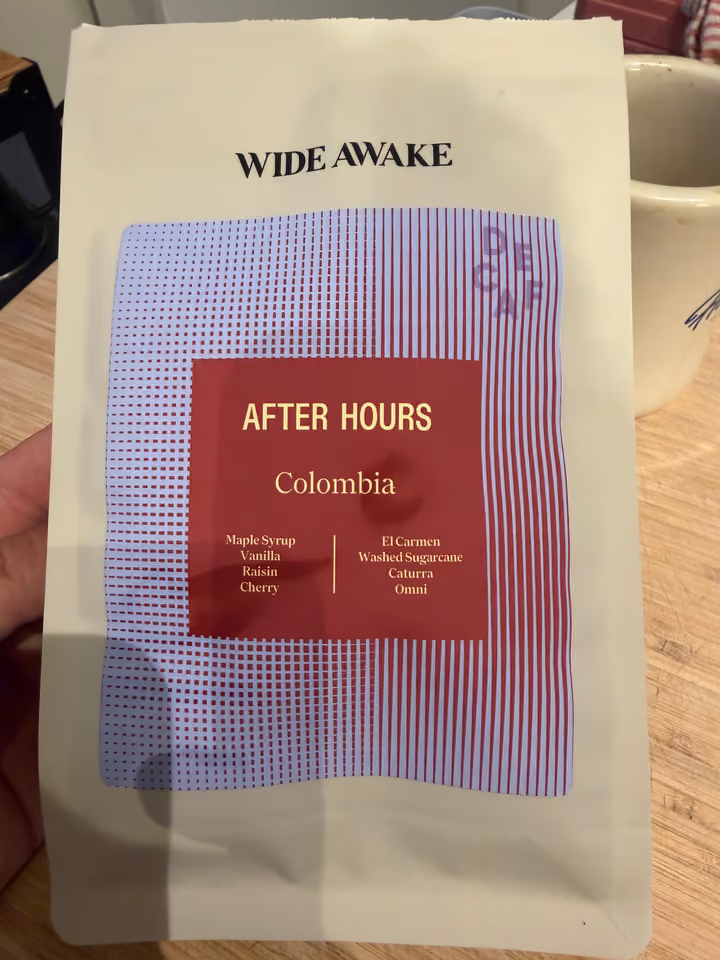
Wide Awake · Sugarcane EA · €5.60/100g
Colombia El Carmen — After Hours
“Juicier than I expected from a decaf, and it didn't stop when I swallowed.”
How decaf is made
Four words you will meet on a bag
Swiss Water Process
A water-only process run at a single plant in British Columbia, using coffee extract already saturated with everything except caffeine. The best known name in decaf, and the most misunderstood. It is a company guarantee, not a certification.
Sugarcane EA
Ethyl acetate fermented from sugarcane molasses, used as an extraction solvent in Colombia. The sweetest-cupping process and the one whose marketing is furthest from its chemistry.
CO₂ process
Caffeine dissolved out under pressure by carbon dioxide above its critical point. The most selective process and the best for body and mouthfeel, and the most expensive to run, which is why you see so little of it.
Mountain Water Process
A water process run in Veracruz using glacier-fed watershed water. Mechanically a close cousin of Swiss Water, and the process most often described with a number its own plant does not claim.